LGBTQ+ Representation in Philippine Short Stories and Poetry
DOI:
https://doi.org/10.64591/07tr9v35Keywords:
LGBTQ+ representation, Philippine literature, identityAbstract
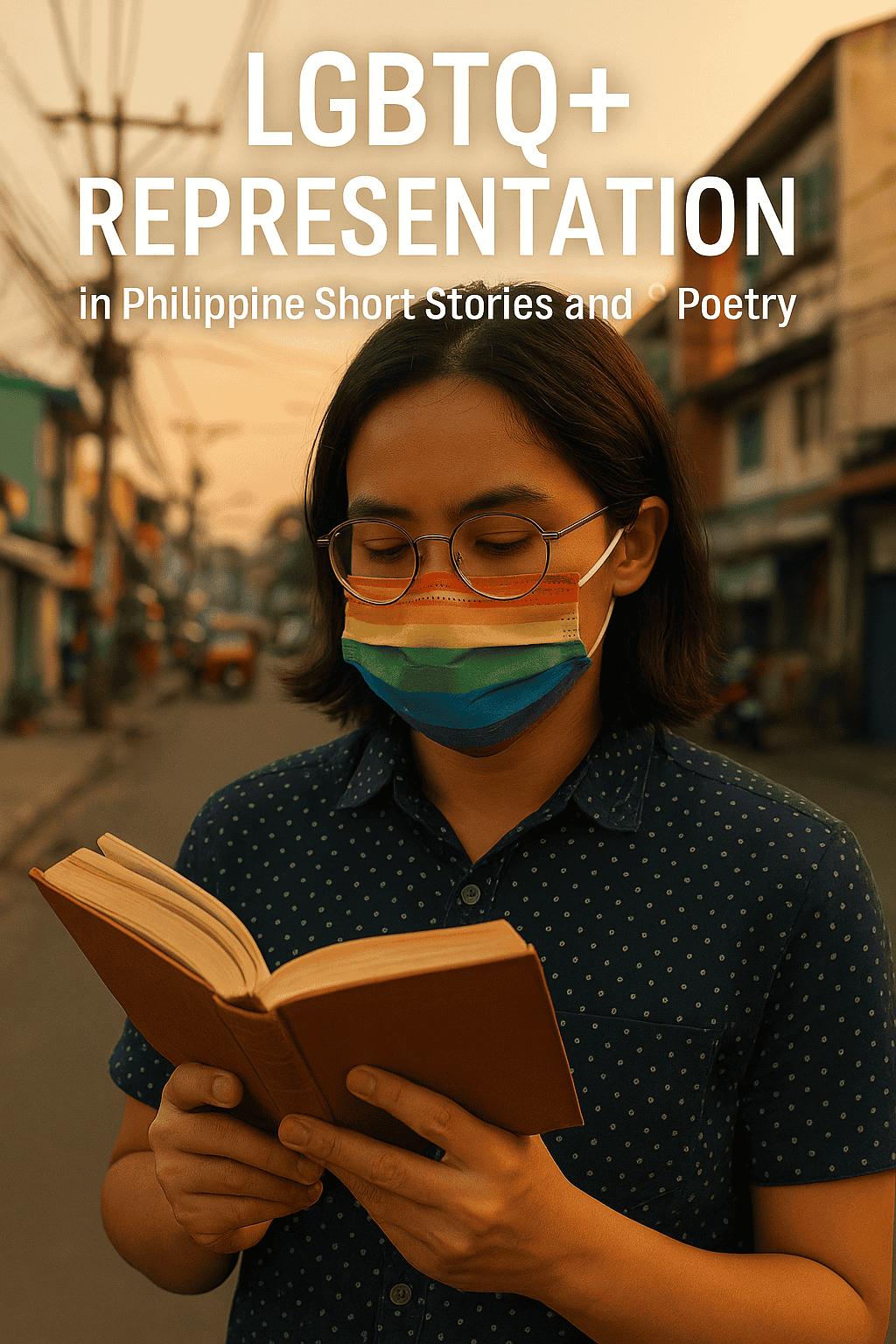
This study examines the evolving representation of LGBTQ+ identities in Philippine short stories and poetry. Traditionally marginalized or stereotyped, queer characters are now depicted with authenticity and depth, reflecting intersections of family, faith, and identity in Filipino life. Poetry provides an avenue for emotional expression, while narratives situate LGBTQ+ lives within familiar cultural contexts. Despite challenges such as mainstream publishing biases and self-censorship, the growing visibility of queer voices affirms inclusivity and challenges silence in Philippine literature.
References
Bar-Tal, D. (2017). Self-censorship as a socio-political-psychological phenomenon: Conception and research. Political Psychology, 38, 37–65. https://doi.org/10.1111/pops.12391
Libiram, R., Santos, G., & Villanueva, J. (2024). Queer identities and cultural sensitivity: Building inclusive support systems in Southeast Asia. Journal of Gender and Society Studies, 12(2), 115–128. https://doi.org/10.1080/xxxxxx
Phil, A., & Keith, M. (2022). Poetic expressions of marginalized voices in Southeast Asian literature. Asian Literary Studies, 8(3), 201–219. https://doi.org/10.1080/yyyyyy
Roman-Tamesis, C. (2023). Everyday realities of LGBTQ+ characters in Philippine short fiction. Philippine Literary Review, 45(1), 56–72. https://doi.org/10.1353/plr.2023.0014
Sanny, J. (2023). Publishing queer narratives in conservative contexts: Barriers and possibilities. Southeast Asian Cultural Review, 19(4), 89–104. https://doi.org/10.1080/zzzzzz
Downloads
Published
Issue
Section
License
Copyright (c) 2025 PINAS GAZETTE: Essays, Stories & Poetry

This work is licensed under a Creative Commons Attribution 4.0 International License.
How to Cite